

Spring Reset
Spring has always been a season of renewal. It is a time when nature turns toward growth and lightness, and we often feel drawn to do the same. Rather than harsh cleanses, think of a reset as a way to support what your body already does every day. Your liver is constantly working quietly and efficiently to transform and remove what you no longer need. With the right food, sleep, movement and rest you can help this process along, so you feel lighter, more focused and ready to build habits that last.
Your liver is remarkable. It manages three key phases of detoxification. In the first phase it begins to break down substances such as caffeine, alcohol, medicines, hormones, pesticides and other chemicals we encounter daily. In the second phase these by-products are paired with compounds from food such as amino acids, sulphur and antioxidants so they can be made safe. The third phase is about transport and elimination, moving them out through bile, stool or urine. Each of these stages relies on nutrients from food, hydration, movement and sleep to work in balance.
How to give your liver some love this Spring…
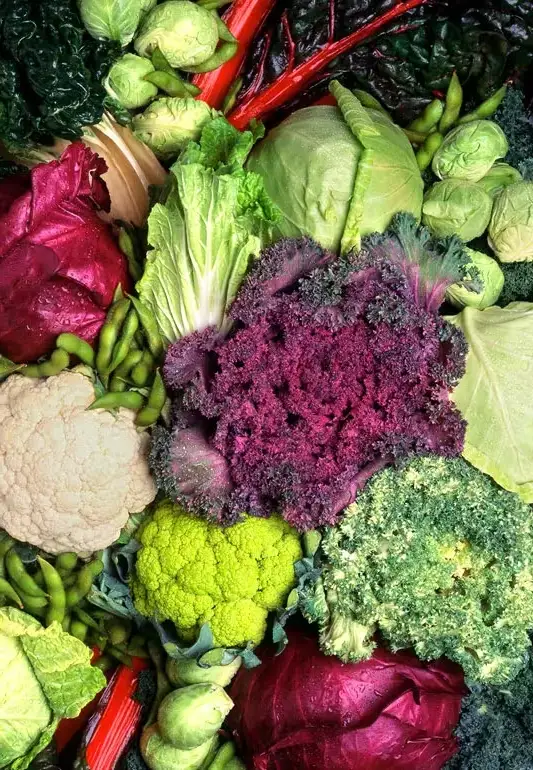
Cruciferous vegetables most days
Broccoli, rocket, kale, cabbage and cauliflower provide compounds that upregulate our own detox enzymes through the Nrf2 pathway. Human studies show broccoli sprout beverages help the body clear environmental pollutants, a real-world example of how food supports detoxification.
Plenty of fibre
Fibre escorts spent bile acids out of the body which reduces their recirculation. Reviews show viscous fibres like beta glucans from oats can increase bile acid excretion within twenty-four hours. Other fibre sources include flaxseeds, beans and whole grains.
Adequate protein
Liver detoxification needs amino acids, the building blocks of protein, including glycine, cysteine and glutamate to build glutathione, one of the liver’s main antioxidants.
Move a little every day
Randomised and controlled studies show both aerobic and resistance training reduce intrahepatic fat and improve liver enzymes. Choose movement that you enjoy, whether walking, yoga or light strength work.
Sleep rhythm
A consistent sleep pattern with seven to eight hours most nights is vital because the liver has its own clock and does much of its deeper work while you rest.
Hydration
Fresh filtered water and herbal teas keep things moving. Green tea or one to two coffees a day are perfectly fine unless you have anxiety, feel wired or are under stress, in which case reducing or replacing with herbal tea may be more supportive.
A short alcohol pause
Give your liver a rest by taking a short break from alcohol. This reduces its workload and supports sleep quality.
How Slowing Down Supports Digestion
PAUSE is at the heart of a reset, but it is also something you can practise any time you feel the need for renewal. Presence before meals by taking a moment to arrive with your breath. Awareness of how food, sleep and movement affect your body and your mind. Understanding your patterns with curiosity rather than blame. Self compassion when change feels hard, meeting yourself with kindness instead of criticism. And Exhale, using a long, soft breath to release tension and let the body know it is safe to slow down.
PAUSE itself is a reset. Each of these practices invites rest and restoration and from there flow naturally follows.


