

How to eat slower and feel better
When life is full it’s easy to eat on autopilot. We snack on the go or rush meals between work, errands and family life. But how we eat has a direct effect on how we feel physically and emotionally. One of the most nourishing things we can do right now is to slow down.

The Changing Breath and Vagal Tone
Before eating, a changing breath can gently guide the body out of stress and into calm. Begin with a soft inhale into your belly, pause, then exhale slowly and fully through your mouth. Repeat this twice, allowing your mind to arrive in the present moment. This practice supports the vagus nerve, which plays a key role in digestion, inflammation, heart rate and emotional regulation.
A well-functioning vagus nerve improves enzyme release, motility, absorption and lowers inflammation. Rushing meals can keep us in fight or flight where digestion is compromised. Slowing down and using your breath can help to activate the rest and digest mode.
How Slowing Down Supports Digestion
Digestion begins in the mouth. Chewing triggers enzyme release and sends signals to the stomach, gallbladder and pancreas to prepare for nutrient breakdown. When we eat calmly, these signals work in harmony. If meals are rushed, the release of enzymes may slow, the movement of food through the digestive tract may become sluggish, and nutrient absorption can be affected. This can lead to bloating, discomfort or low energy.
Sitting down to eat with a sense of calm helps your digestive system work the way it’s meant to. It also creates a more mindful connection to your food, turning each meal into an opportunity to slow down and support your overall wellbeing.
Mindful Eating as a Way of Listening
Mindful eating invites us to slow down. To notice the smell, texture, temperature and flavour of food, and to recognise when you are full. This approach reduces overeating, reactive eating and digestive discomfort while supporting mental clarity and emotional balance. Over time, slowing down at meals can help you notice which foods leave you feeling energised or heavy, calm or unsettled. It builds awareness of how your body responds, so you can make food choices that support both your physical health and emotional wellbeing.
Chanting and Vocal Practices
Chanting, humming or singing can stimulate the vagus nerve through gentle vibration of the vocal cords and throat. These practices can be part of your daily rhythm to support calm, mood and emotional balance. Even a few minutes of humming may help activate the relaxation response and gently tone the vagus nerve over time.
Chanting Om is another way to gently stimulate the vagus nerve. The vibration created as you chant helps calm the nervous system and bring awareness back to the body. If you are new to this, you might begin with one to two minutes each day, repeating Om slowly three to five times. Over time, this can build to five or even ten minutes if it feels supportive. The key is consistency rather than length. This simple daily rhythm can ease the body into a relaxed state and support digestion, mood and emotional balance.
For those who prefer a physical tool, non-invasive vagus nerve stimulation devices such as Pulsetto, Truvaga and Nurosym are available online in New Zealand. I haven’t used these personally, but some people find them helpful as part of a broader nervous system care plan. The science is still emerging, but they may be an option for those wanting to support vagal tone alongside breathwork and mindfulness practices.
Reiki and Mealtime Intention
If you are Reiki Level I trained, you may like to place your hands over your food before eating or rest them gently on your belly after meals. This becomes an intentional moment of presence and gratitude. When you give Reiki to food, you’re inviting a sense of calm and gratitude to your meal. It gently enhances the energy of the food, helping your body receive it with ease and supporting both digestion and nourishment. Even for those not Reiki trained, offering a moment of gratitude or quiet intention can shift the experience of eating toward restoration.
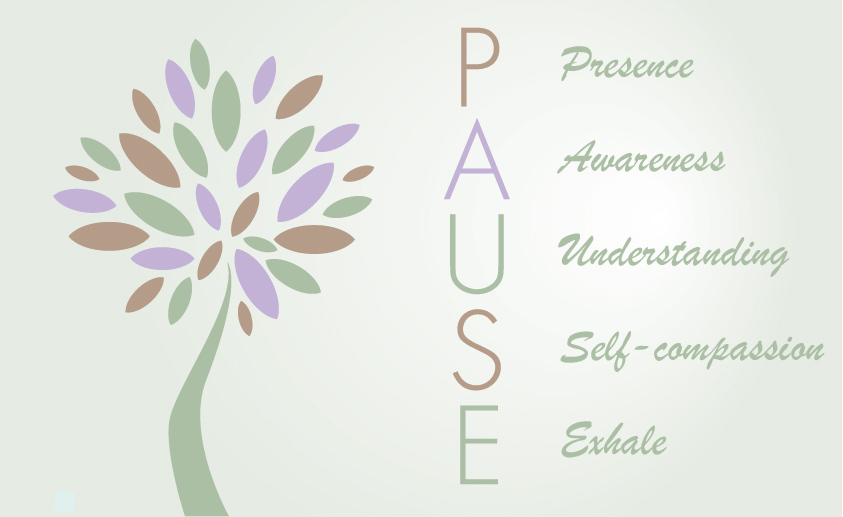
Ways to Nourish the Pause at Mealtimes
- Use the changing breath before meals to invite presence and activate the vagus nerve
- Choose to sit down without screens when possible to support digestion.
- Chew slowly and mindfully, paying attention to taste, texture and when you feel full.
- Set your fork down between bites to help your body register when it has had enough.
- Before meals, say a blessing of thanks, prayer or give your food Reiki.


