

Communication between the digestive system and the brain
As we move into autumn, many people begin to notice subtle shifts in the body. Energy can change, digestion may feel slower and the desire for warmer foods often increases. These seasonal changes can be a helpful reminder to reconnect with the rhythms of the body, especially the relationship between the nervous system and digestion.
For many people living with digestive symptoms such as IBS, gut health is not only about food. It is also shaped by the nervous system, emotional load and the way the body responds to stress over time. IBS is now described as a disorder of gut brain interaction, reflecting the close communication between the digestive system and the brain.
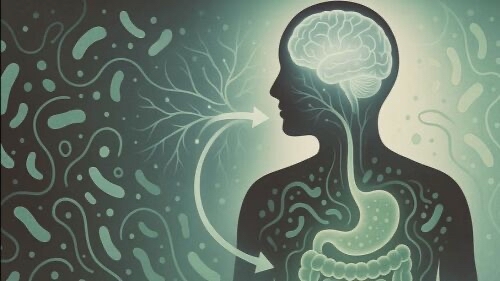
This helps explain why emotions can influence digestion so quickly. Stress and emotional strain can alter gut motility, sensitivity and secretion, contributing to symptoms such as bloating, pain, constipation or diarrhoea. At the same time, ongoing digestive discomfort can feed back to the brain, increasing vigilance and reactivity. This two way communication is often referred to as the gut brain axis and is influenced by the vagus nerve, immune signalling and hormonal pathways.
When digestion feels unsettled, it can be tempting to focus only on food restriction or elimination. Short term therapeutic elimination can sometimes play an important role, but it is rarely the whole picture. Many people also benefit from supporting daily rhythm, meal spacing and nervous system regulation as part of the healing process.
One physiological process that helps explain the value of meal spacing is the migrating motor complex. This is a cyclical pattern of muscular contractions that occurs in the stomach and small intestine during fasting periods and helps clear residual material between meals. Eating interrupts this process, which may explain why some people with bloating or upper abdominal discomfort feel better when meals are spaced more clearly.
A supportive daily rhythm often includes two or three balanced meals per day without frequent snacking. If a snack is needed it can of course be included. The goal is not rigidity but consistency. When meals are more regular, digestive patterns often become easier to observe and interpret.
Autumn can also be a natural time to include warmer foods such as soups, stews, cooked vegetables and gentle spices. Many people find these meals soothing and easier to digest as the weather cools.
Supporting the nervous system alongside nutrition is equally important. One simple practice before meals is the changing breath. Breathe in gently through the nose and out through the mouth with a soft sigh a couple of times, then pause for a moment to give thanks for the food you are about to receive. This small ritual can help the body slow down, settle and prepare for digestion.
If symptoms continue despite these foundational changes, further support may be helpful. IBS and related gut brain interaction conditions are often best managed through a combination of diet, lifestyle and nervous system support. In some situations, testing may also help clarify digestive function, inflammation, nutrient status or bacterial overgrowth so that a more personalised plan can be developed.
Reconnection is about building awareness, noticing patterns and responding with supportive actions. Over time this can help digestion feel more settled and more balanced.
References:
Black, C. J., Thakur, E. R., Houghton, L. A., Quigley, E. M. M., Moayyedi, P., Schmulson, M., Halpert, A., & Ford, A. C. (2020). Efficacy of psychological therapies for irritable bowel syndrome: Systematic review and network meta analysis. Gut, 69(8), 1441–1451. https://doi.org/10.1136/gutjnl-2019-319952
PubMed: https://pubmed.ncbi.nlm.nih.gov/32276950/
Bonaz, B., Sinniger, V., & Pellissier, S. (2019). Vagus nerve stimulation at the interface of brain gut interactions. Cold Spring Harbor Perspectives in Medicine, 9(8), a034199. https://doi.org/10.1101/cshperspect.a034199
PMC: https://pmc.ncbi.nlm.nih.gov/articles/PMC6671930/
Carabotti, M., Scirocco, A., Maselli, M. A., & Severi, C. (2015). The gut brain axis: Interactions between enteric microbiota, central and enteric nervous systems. Annals of Gastroenterology, 28(2), 203–209. https://pmc.ncbi.nlm.nih.gov/articles/PMC4367209/
Deloose, E., Janssen, P., Depoortere, I., & Tack, J. (2012). The migrating motor complex: Control mechanisms and its role in health and disease. Nature Reviews Gastroenterology & Hepatology, 9(5), 271–285. https://doi.org/10.1038/nrgastro.2012.57
PubMed: https://pubmed.ncbi.nlm.nih.gov/22450306/
Drossman, D. A., & Hasler, W. L. (2016). Rome IV functional gastrointestinal disorders: Disorders of gut brain interaction. Gastroenterology, 150(6), 1257–1261. https://doi.org/10.1053/j.gastro.2016.03.035
PubMed: https://pubmed.ncbi.nlm.nih.gov/27147121/
Gerritsen, R. J. S., & Band, G. P. H. (2018). Breath of life: The respiratory vagal stimulation model of contemplative activity. Frontiers in Human Neuroscience, 12, 397. https://doi.org/10.3389/fnhum.2018.00397
PMC: https://pmc.ncbi.nlm.nih.gov/articles/PMC6189422/
Greenwood Van Meerveld, B., & Johnson, A. C. (2018). Mechanisms of stress induced visceral pain. Journal of Neurogastroenterology and Motility, 24(1), 7–18. https://doi.org/10.5056/jnm17137
PubMed: https://pubmed.ncbi.nlm.nih.gov/29291604/
Lacy, B. E., Pimentel, M., Brenner, D. M., Chey, W. D., Keefer, L. A., Long, M. D., & Moshiree, B. (2021). ACG clinical guideline: Management of irritable bowel syndrome. The American Journal of Gastroenterology, 116(1), 17–44. https://doi.org/10.14309/ajg.0000000000001036
PubMed: https://pubmed.ncbi.nlm.nih.gov/33315591/
Magnon, V., Dutheil, F., & Vallet, G. T. (2021). Benefits from one session of deep and slow breathing on vagal tone and anxiety in young and older adults. Scientific Reports, 11, 19267. https://doi.org/10.1038/s41598-021-98736-9
Shao, R., Skirbekk, B., Zhang, Y., & Laborde, S. (2024). The effect of slow paced breathing on cardiovascular and emotional outcomes: A meta analysis. Mindfulness. Advance online publication. https://doi.org/10.1007/s12671-023-02294-2


