

Prep: 15 minutes
Cooking: 30 minutes
Serves: 2 people
Ingredients
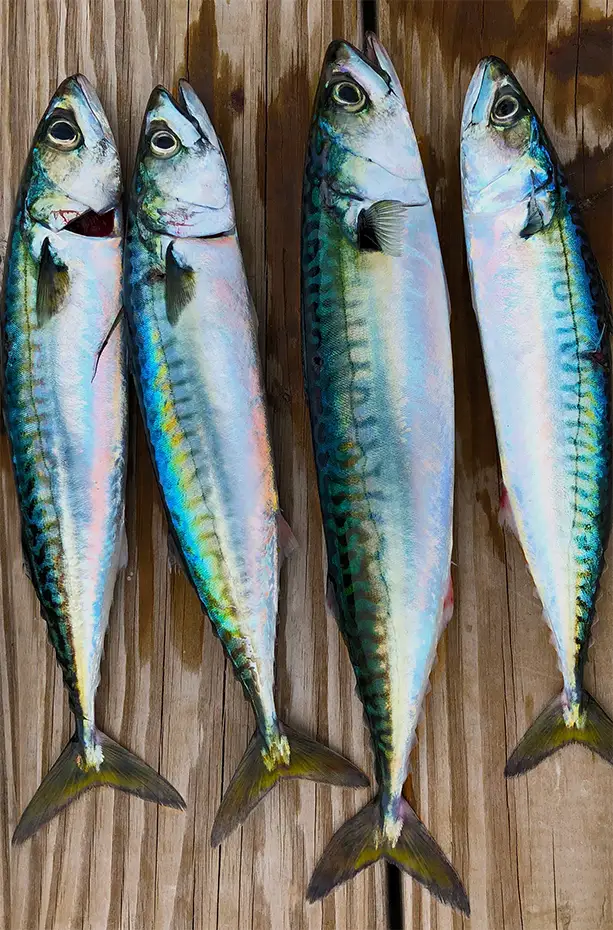
- 200 g mackerel fillets or sustainably caught salmon
- 1 cup black lentils, soaked overnight with a pinch of bicarbonate of soda, then rinsed
- 1 small cauliflower, broken into florets
- 1 Tbsp extra virgin olive oil
- 1 Tbsp lemon juice
- 1 tsp mustard (Dijon or wholegrain)
- Salt and pepper
- Fresh parsley or coriander, chopped
- 1 cup steamed greens (spinach, silverbeet or kale)
- 2 Tbsp pumpkin seeds, soaked for at least 4 hours then rinsed
- 1 Tbsp ground flaxseed or chia seeds
Directions
- Soak the lentils and pumpkin seeds overnight.
- Preheat oven to 200 °C. Toss cauliflower florets with half the olive oil, salt and pepper. Roast for 25–30 minutes until golden.
- Cook lentils in fresh water until tender (around 15–20 minutes if pre-soaked). The pinch of bicarbonate of soda helps soften the skins and reduce lectins and phytates, improving mineral absorption and making them easier to digest. Drain and set aside.
- Prepare fish: season with salt, pepper, a little olive oil and lemon juice. Bake or pan-sear until just cooked.
- Make dressing: whisk mustard, remaining olive oil, lemon juice and a splash of warm water.
- Assemble: divide lentils, cauliflower and greens into bowls. Top with fish, drizzle dressing and sprinkle with soaked pumpkin seeds and ground flax or chia. Garnish with herbs.
Why This Bowl Supports Gut, Brain and Liver Health
Fibre for microbial balance: Black lentils, cauliflower and greens provide fermentable fibre that beneficial gut microbes convert into short chain fatty acids such as butyrate. These compounds nourish the gut lining and send calming signals through the vagus nerve, supporting a balanced gut–brain connection.
Gentle digestion and better nutrient absorption: Soaking lentils overnight and adding bicarbonate of soda helps break down lectins and phytates, naturally occurring compounds that can interfere with nutrient absorption. This makes minerals such as iron, zinc and magnesium more available and reduces bloating for sensitive digestions. Soaking pumpkin seeds further enhances mineral availability and ease of digestion.
Omega-3s for mood and anti-inflammation: Mackerel or sustainably caught salmon deliver EPA and DHA, essential fats that reduce inflammation and support healthy brain and nerve function. Ground flax or chia add ALA, which complements these fats and supports overall metabolic health.
Protein for repair and neurotransmitter support: Lentils and fish together provide a steady source of amino acids that support tissue repair, balanced blood sugar and the production of neurotransmitters such as serotonin and dopamine.
Liver nourishment: Cruciferous vegetables like cauliflower contain glucosinolates that activate phase II liver detoxification pathways. Combined with antioxidant-rich greens and clean proteins, they help clear metabolic waste and ease the liver’s load.
Mindful awareness: Taking time to breathe before your meal and eating slowly activates the vagus nerve, improving digestion and enhancing the flow of communication between gut, liver and brain. This awareness helps turn a nourishing meal into a calming, restorative practice.


